
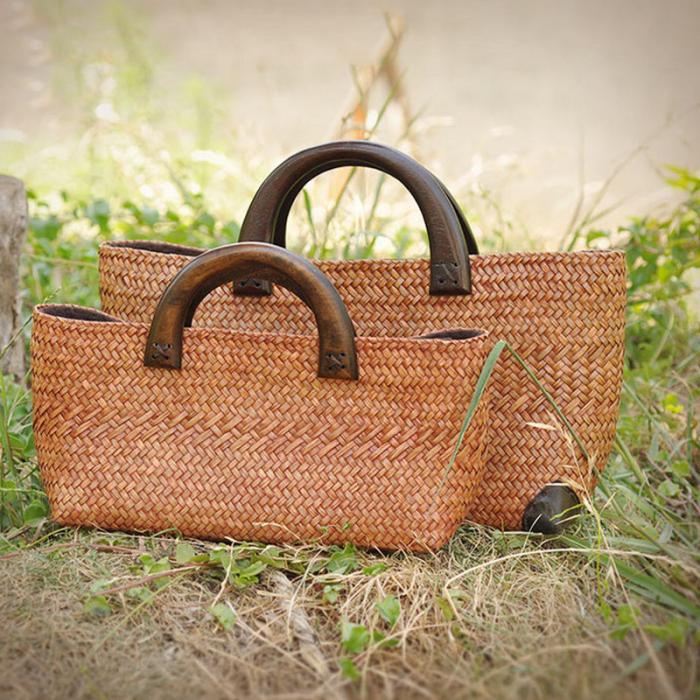
Seagrass weaving techniques in Vietnam reflect generations of traditional craftsmanship passed down through local craft villages. These techniques play a crucial role in transforming raw seagrass fibers into functional and decorative handicraft products used in home decor, storage, and lifestyle markets worldwide.
For international buyers, understanding how seagrass products are woven provides insight into product quality, durability, and the value of handmade production. This article explores the core seagrass weaving techniques used in Vietnam and explains why they remain relevant in modern global markets.
The Role of Weaving Techniques in Seagrass Handicrafts
Seagrass handicrafts rely heavily on manual weaving skills. Unlike industrial manufacturing, the quality of a seagrass product depends on the artisan’s experience, consistency of weaving, and knowledge of m
Traditional weaving techniques determine:
-
Product strength and stability
-
Surface texture and appearance
-
Shape retention during long-term use
-
Overall aesthetic quality
These factors are essential for buyers sourcing handmade seagrass products for retail or hospitality use.
Preparation of Seagrass Fibers Before Weaving
The quality of weaving largely depends on how seagrass fibers are harvested and processed before production.
Before weaving begins, seagrass fibers must be carefully prepared. This step directly affects the final product quality.
The preparation process typically includes:
-
Harvesting mature seagrass plants
-
Cleaning to remove dirt and impurities
-
Sun-drying to achieve optimal moisture levels
-
Sorting fibers by thickness and flexibility
Properly prepared fibers ensure smooth weaving and reduce the risk of breakage during production.
Common Seagrass Weaving Techniques Used in Vietnam
These weaving techniques are commonly applied in functional products such as storage and home decor baskets.
Vietnamese artisans use a variety of weaving techniques depending on product type, design, and functional requirements.
Flat Weaving Technique
Flat weaving is commonly used for placemats, trays, and basket bases. Fibers are woven tightly in a flat pattern to create a stable surface that can support weight.
This technique is valued for:
-
High structural strength
-
Clean and uniform appearance
-
Versatility across different product categories
Coiled Weaving Technique
Coiled weaving involves wrapping seagrass fibers around a central core and stitching them together in circular or oval shapes. This technique is often used for baskets and bowls.
Coiled weaving allows artisans to:
-
Control product shape and depth
-
Create smooth, rounded forms
-
Reinforce edges and rims
Natural belly seagrass baskets frequently use this technique to achieve their distinctive shape and balanced proportions.
Twisted and Braided Weaving
In some designs, seagrass fibers are twisted or braided before weaving. This method adds visual texture and enhances durability.
Braided weaving is typically used for:
-
Decorative baskets
-
Handles and rims
-
Accent details on larger products
This technique requires skilled craftsmanship to maintain consistency and symmetry.
Handmade Weaving Versus Machine-Assisted Production
Although some modern workshops use basic tools to assist with shaping or trimming, the weaving process itself remains predominantly handmade.
Key differences between handmade and machine-assisted products include:
-
Greater variation and character in handmade items
-
Stronger structural integrity due to manual tension control
-
Ability to customize size, shape, and patterns
For B2B buyers, handmade seagrass weaving offers flexibility and authenticity that mass-produced alternatives cannot replicate.
Quality Control in Seagrass Weaving
Quality control is an essential part of seagrass handicraft production. Experienced artisans inspect products throughout the weaving process to ensure consistency.
Key quality checkpoints include:
-
Uniform weaving tension
-
Smooth and reinforced edges
-
Stable base and balanced shape
-
Absence of loose or broken fibers
These inspections help maintain consistent quality across different production batches.
Why Traditional Seagrass Weaving Matters for Global Buyers
Traditional seagrass weaving techniques provide more than aesthetic value. They support sustainable production, preserve cultural heritage, and meet growing demand for eco-friendly home decor products.
Global buyers choose Vietnamese seagrass handicrafts because:
-
Products are handmade using renewable materials
-
Techniques are refined through generations of experience
-
Production supports rural artisan communities
-
Designs can be adapted for international markets
To understand how weaving techniques fit into the broader context of materials, regions, and sustainability, buyers can explore a complete overview of seagrass handicrafts in Vietnam.
Conclusion
To explore a broader overview of materials, craft regions, and product applications, buyers can refer to our complete guide to seagrass handicrafts in Vietnam.
Seagrass weaving techniques in Vietnam represent the foundation of the country’s handicraft industry. From fiber preparation to intricate handwoven patterns, these traditional methods ensure product durability, functionality, and natural beauty.
For importers, wholesalers, and retailers, understanding seagrass weaving techniques helps in evaluating product quality and making informed sourcing decisions. As global interest in sustainable and handmade products continues to grow, Vietnamese seagrass weaving remains a valuable and reliable craft tradition.