
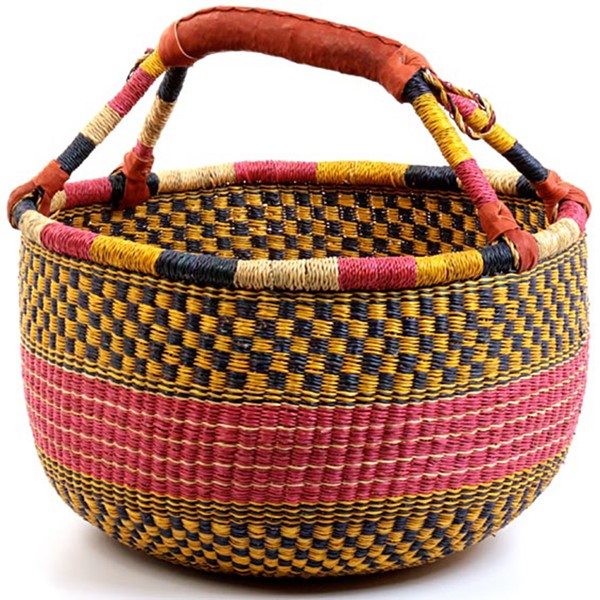
Seagrass handicrafts are an essential part of Vietnam’s natural craft heritage. With abundant raw materials, skilled artisans, and long-standing weaving traditions, Vietnam has become one of the leading sources of seagrass handicraft products for global home decor and lifestyle markets.
For international buyers, seagrass products from Vietnam represent a balance between sustainability, craftsmanship, and commercial viability. This article provides an overview of Vietnamese seagrass handicrafts, from raw materials and production regions to weaving techniques and global applications.
What Is Seagrass and Why It Is Used in Handicrafts
Seagrass is a natural plant that grows in wetlands, riverbanks, and coastal areas. After harvesting and drying, seagrass fibers become strong, flexible, and suitable for hand weaving.
These fibers are shaped using traditional handwoven methods that have been passed down through generations.
These characteristics make seagrass an ideal material for handicrafts:
-
Natural texture and warm appearance
-
Lightweight yet durable structure
-
Flexibility for various weaving patterns
-
Minimal chemical processing required
Because of its natural properties, seagrass is widely used in handmade home decor products that emphasize sustainability and authenticity. Among the most popular applications are seagrass baskets used for home decor and practical storage solutions.
Seagrass in Vietnam: Natural Resources and Craft Regions
Vietnam’s climate and geography create favorable conditions for seagrass cultivation. The plant grows naturally in many regions, ensuring a stable supply of raw materials for local craft villages.
One of the most well-known craft areas is Kim Son district in Ninh Binh, a region famous for its long-standing seagrass weaving tradition.
Main Seagrass Growing Areas in Vietnam
Seagrass is commonly found in:
-
River delta regions
-
Wetlands and floodplains
-
Coastal and semi-coastal areas
These environments allow seagrass to regenerate quickly, supporting long-term and sustainable harvesting practices. After harvesting, seagrass goes through several preparation steps to ensure fiber strength and consistency before weaving.
Traditional Seagrass Craft Villages
Over generations, Vietnamese artisans have developed specialized weaving skills, particularly in craft villages located near seagrass-growing regions. One of the most well-known areas is Kim Son District in Ninh Binh Province, where seagrass weaving has been passed down through family workshops for decades.
These villages play a vital role in preserving traditional techniques while adapting designs for modern export markets.
Traditional Seagrass Weaving Techniques
Seagrass handicrafts in Vietnam are primarily handmade. Although tools and working environments have improved over time, the core weaving techniques remain traditional.
The typical production process includes:
-
Harvesting mature seagrass plants
-
Cleaning and drying fibers under natural sunlight
-
Sorting fibers by thickness and quality
-
Hand weaving using traditional patterns
-
Shaping and reinforcing the product structure
-
Final trimming and quality inspection
This manual process allows artisans to control shape, texture, and durability, resulting in products that maintain consistent quality across different designs.
Common Seagrass Handicraft Products
Vietnamese seagrass is used to create a wide range of functional and decorative items. These products are popular in both residential and commercial environments.
Seagrass Baskets for Storage and Home Decor
Seagrass baskets are among the most widely exported handicraft items from Vietnam. They are commonly used for:
-
Home storage and organization
-
Decorative baskets for living spaces
-
Retail display and visual merchandising
Natural belly seagrass baskets, in particular, are favored for their rounded shapes and clean weaving patterns, making them suitable for contemporary interior design styles.
Seagrass Trays and Decorative Accessories
In addition to baskets, seagrass is also woven into trays, placemats, and decorative accessories. These items are often used in:
-
Hospitality and restaurant settings
-
Home dining and table styling
-
Eco-friendly gift collections
Their neutral tones and natural textures allow them to blend easily with other materials such as wood, bamboo, or rattan.
Why Seagrass Handicrafts from Vietnam Are Popular in Global Markets
Vietnamese seagrass handicrafts are widely distributed to international markets due to several competitive advantages.
Key reasons buyers choose seagrass products from Vietnam include:
-
Skilled manual craftsmanship
-
Competitive production costs
-
Flexible order quantities
-
Ability to customize designs and sizes
-
Experience with export and international standards
These factors make Vietnamese seagrass handicrafts suitable for wholesalers, retailers, and brands looking to develop sustainable product lines.
Sustainability and Eco-Friendly Benefits of Seagrass
Sustainability is one of the strongest selling points of seagrass handicrafts. Seagrass is a fast-growing natural material that does not require intensive chemical treatment.
Environmental benefits include:
-
Renewable and biodegradable material
-
Low environmental impact during harvesting
-
Reduced reliance on synthetic materials
-
Support for rural artisan communities
As global demand for eco-friendly products continues to grow, seagrass handicrafts align well with sustainability-focused retail and lifestyle brands.
Explore Vietnamese Seagrass Handicrafts
Vietnamese seagrass handicrafts combine traditional craftsmanship with modern design needs. From handwoven baskets to decorative accessories, seagrass products offer natural beauty, functional value, and sustainable appeal.
To explore a wider range of Vietnamese seagrass handicraft products, buyers can review curated collections and connect with manufacturers who specialize in handmade production for global markets.
Conclusion
Seagrass handicrafts from Vietnam represent a strong intersection of natural materials, skilled craftsmanship, and sustainable production. With access to abundant raw materials and experienced artisans, Vietnam continues to be a reliable source of high-quality seagrass products for international home decor and lifestyle markets.
As interest in sustainable and handcrafted products increases worldwide, Vietnamese seagrass handicrafts remain a valuable option for buyers seeking authenticity, flexibility, and long-term supply potential.