
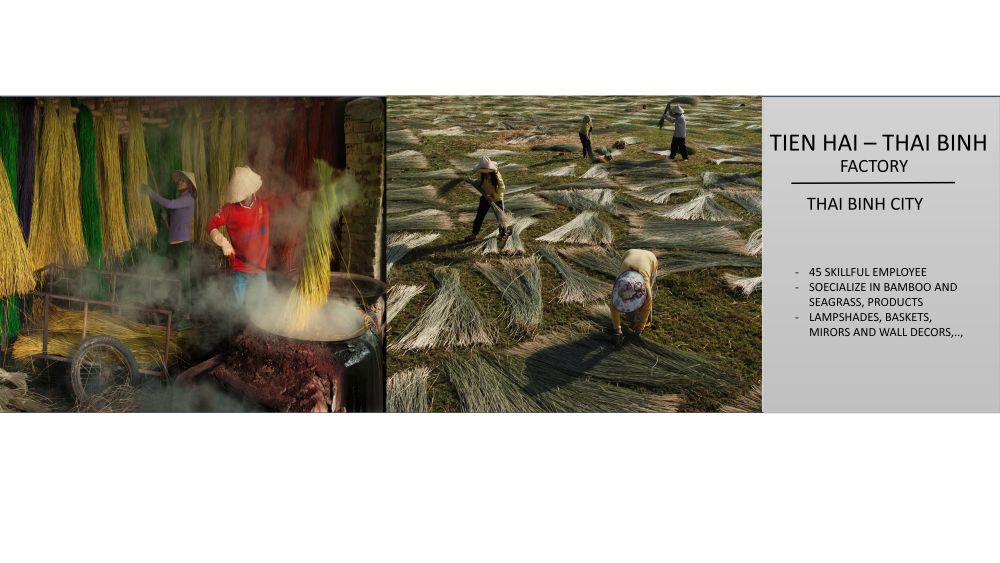
Seagrass handicrafts from Vietnam are widely appreciated for their natural appearance, durability, and sustainable value. However, behind every finished basket, tray, or bag lies a carefully managed material and processing journey. Proper material treatment ensures strength, flexibility, and durability in finished seagrass baskets used for home decor and storage.
For international buyers, understanding how seagrass is harvested, treated, and prepared is essential to evaluating product quality, consistency, and long-term sourcing reliability.
This article explains the full seagrass material and processing workflow in Vietnam—from natural growing areas to preparation for handmade production.
What Is Seagrass and Where It Is Grown in Vietnam
Seagrass is a natural plant that grows in wetlands, riverbanks, floodplains, and coastal areas. In Vietnam, these environments create ideal conditions for producing strong, flexible seagrass fibers suitable for hand weaving.
Key seagrass-growing regions include:
-
Ninh Binh and surrounding northern wetlands
-
Thanh Hoa and coastal lowlands
-
Thai Binh river delta areas
Thanks to abundant water sources and favorable climate conditions, Vietnamese seagrass develops long fibers with good elasticity, making it highly suitable for Vietnamese seagrass handicrafts used in home decor and storage.
Seagrass Harvesting Process
Seagrass harvesting in Vietnam is typically done by hand. This approach helps preserve fiber quality while minimizing environmental impact.
Important aspects of the harvesting process include:
-
Harvesting during optimal seasons to ensure fiber maturity
-
Selecting seagrass with appropriate length and thickness
-
Avoiding over-harvesting to allow natural regeneration
Careful harvesting ensures that fibers remain strong and consistent, which directly affects the durability and shape retention of finished handmade products.
Drying and Natural Treatment of Seagrass
After harvesting, seagrass fibers undergo a natural drying process. This stage plays a crucial role in maintaining material quality. The way seagrass fibers are prepared directly affects the final weaving process and product quality.
Key steps include:
-
Sun-drying under controlled conditions
-
Regular turning to ensure even drying
-
Avoiding chemical treatments
Natural drying helps:
-
Reduce moisture content
-
Prevent mold formation
-
Maintain the original color and texture of the fibers
This chemical-free approach aligns with sustainability standards and is highly valued by eco-conscious international buyers.
Preparing Seagrass for Weaving
Before weaving begins, dried seagrass fibers must be carefully prepared. This step ensures smooth production and consistent results.
Preparation includes:
-
Sorting fibers by thickness and flexibility
-
Trimming and cleaning to remove impurities
-
Bundling fibers according to product requirements
Different products require different fiber preparations. For example:
-
Baskets require thicker, stronger fibers
-
Trays need more uniform and rigid fibers
-
Bags require flexible fibers suitable for shaping and handling
Proper preparation helps artisans achieve stable production quality and meet wholesale order requirements.
Hand Processing vs Industrial Processing
In Vietnam, most seagrass products are processed using traditional hand-based methods rather than full industrial automation.
Handcrafted processing offers several advantages:
-
Greater flexibility in sizes, shapes, and designs
-
Easier customization for OEM and private label orders
-
Better preservation of natural texture and handmade character
While basic tools may be used to improve efficiency, the core shaping and weaving processes remain manual. This approach distinguishes Vietnamese seagrass products from factory-made alternatives and enhances their perceived value in international markets.
Buyers interested in craftsmanship and authenticity often prioritize products made using traditional weaving techniques passed down through generations.
Why Material Quality Matters for International Buyers
The quality of seagrass material directly affects:
-
Product durability and lifespan
-
Structural stability during shipping and use
-
Safety and compliance with sustainability standards
International buyers, particularly in Europe and North America, increasingly focus on:
-
Natural, renewable materials
-
Chemical-free processing
-
Consistent supply quality across multiple orders
By sourcing from regions with established harvesting and processing practices, buyers gain confidence in long-term cooperation and product reliability. This is one of the reasons seagrass handicrafts in Vietnam continue to gain popularity in global home decor and lifestyle markets.
Conclusion
Seagrass material and processing form the foundation of Vietnam’s seagrass handicraft industry. From responsible harvesting and natural drying to careful preparation for weaving, each step plays a vital role in ensuring product quality and sustainability. For a broader understanding of how raw materials, production regions, and traditional craftsmanship come together, buyers can explore our complete overview of seagrass handicrafts in Vietnam.
Vietnam’s combination of natural resources, skilled artisans, and traditional processing methods allows the country to supply reliable, eco-friendly seagrass products to international buyers. Understanding this material journey helps buyers make informed sourcing decisions and build long-term partnerships with Vietnamese suppliers.