
Bamboo handicrafts from Vietnam are widely appreciated for their natural appearance, sustainability, and durability. However, the quality of finished bamboo products depends heavily on proper processing and treatment before weaving or shaping begins.
For international buyers, understanding how bamboo is processed and treated helps evaluate product lifespan, resistance to pests, and suitability for export markets. This article explains the bamboo processing and treatment workflow in Vietnam, To understand how processing fits into the broader industry, buyers can explore bamboo handicrafts in Vietnam, including raw materials, craft regions, and export applications. from harvesting to preparation for handmade production.
Bamboo Harvesting and Raw Material Selection
Bamboo used for handicrafts in Vietnam is typically harvested from managed bamboo groves in rural areas. The selection process focuses on:
-
Mature bamboo culms, usually 3–5 years old
-
Straight, dense fibers suitable for splitting and shaping
-
Natural color and uniform thickness
Harvesting is often done during dry seasons to reduce moisture content and minimize cracking during drying. Proper raw material selection ensures stronger bamboo fibers and more consistent final products.
Initial Bamboo Processing After Harvesting
Once harvested, bamboo undergoes several initial processing steps before treatment:
Cutting and Splitting
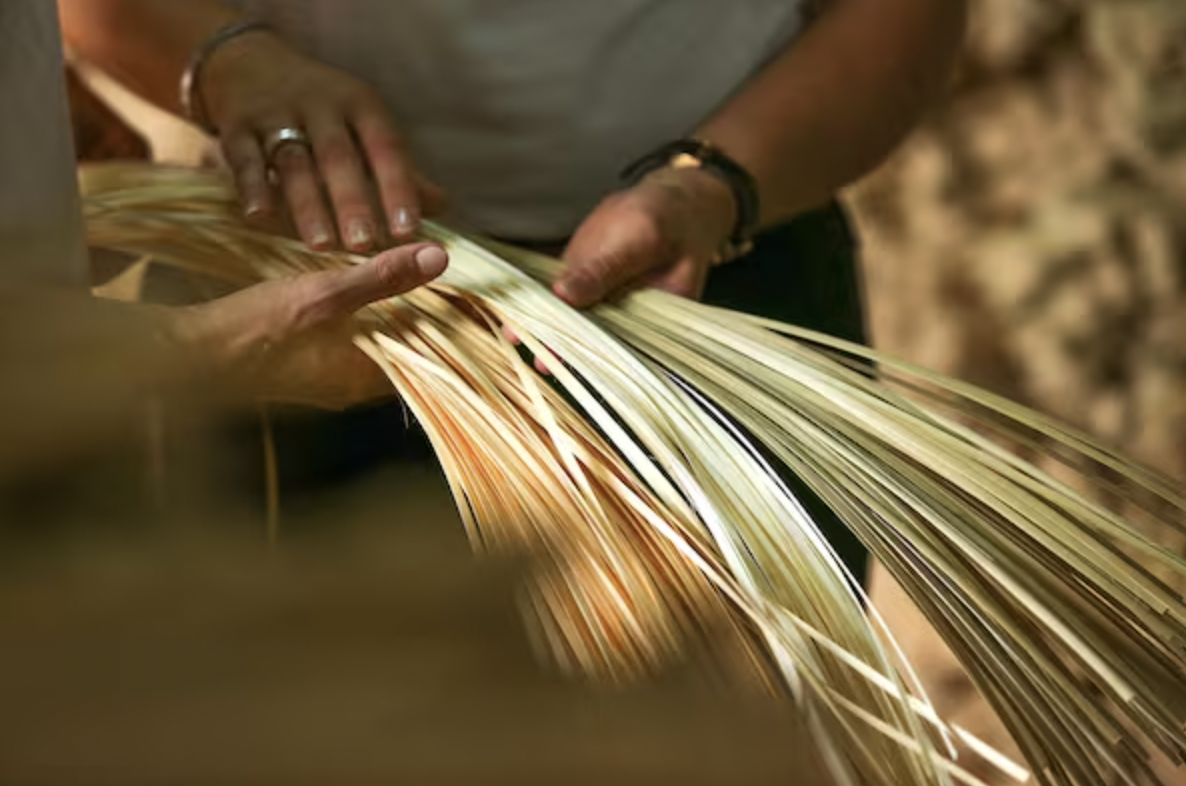
Bamboo culms are cut into sections and split into strips or slats, depending on the product type. These components may later be used for baskets, trays, furniture frames, or decorative items.
These processed bamboo strips are commonly used for products such as bamboo baskets from Vietnam, trays, and storage items.
Cleaning and Surface Preparation
The outer surface is cleaned to remove dirt, sap residue, and outer wax layers. This step improves adhesion during treatment and ensures smoother weaving or finishing.
Bamboo Treatment Methods Used in Vietnam
To ensure durability and export readiness, bamboo must be treated to prevent mold, insects, and decay. Proper treatment is essential to ensure bamboo products meet international quality standards required for bamboo handicrafts for export. Common treatment methods in Vietnam include:
Natural Water Soaking
Bamboo strips are soaked in clean water or flowing streams for several days or weeks. This traditional method helps remove starches that attract insects.
Borax and Boric Acid Treatment
A widely used export-grade treatment involves soaking bamboo in borax and boric acid solutions. This process:
-
Improves resistance to insects and termites
-
Reduces mold growth
-
Extends product lifespan
This method is commonly required for bamboo products destined for international markets.
Heat Treatment and Sun Drying
After soaking, bamboo is dried naturally under the sun or in controlled drying areas. Proper drying prevents warping and cracking during weaving or assembly.
Drying and Moisture Control
Moisture control is a critical step in bamboo processing. Vietnamese workshops carefully monitor drying conditions to achieve stable moisture levels suitable for handmade production.
Well-dried bamboo offers:
-
Improved structural stability
-
Reduced risk of deformation
-
Better surface finishing and coating adhesion
This step is essential for producing consistent bamboo handicrafts for export buyers.
Preparation for Handmade Production
After treatment and drying, bamboo materials are sorted and prepared based on intended use:
-
Thin strips for weaving baskets and trays
-
Thicker slats for frames or structural components
-
Selected pieces for natural or dyed finishes
At this stage, bamboo is ready for handweaving, shaping, or assembly by skilled artisans.
For buyers interested in how bamboo products are transformed into finished items, a broader overview is available in Bamboo Handicrafts in Vietnam, which explains production regions, craftsmanship, and applications.
Why Proper Bamboo Processing Matters for Export Buyers
Consistent processing and treatment directly affect product quality and buyer satisfaction. Properly treated bamboo handicrafts offer:
-
Longer product lifespan
-
Resistance to pests and humidity
-
Compliance with international quality expectations
-
Reduced risk of damage during shipping and storage
These factors make Vietnamese bamboo handicrafts a reliable choice for global home decor, storage, and lifestyle brands.
Conclusion
Bamboo processing and treatment in Vietnam combine traditional knowledge with practical export standards. From careful harvesting to effective treatment methods, each step plays a vital role in creating durable, sustainable bamboo handicrafts.
For international buyers, understanding this process provides confidence in sourcing bamboo products that meet both aesthetic and quality requirements for long-term market success.