
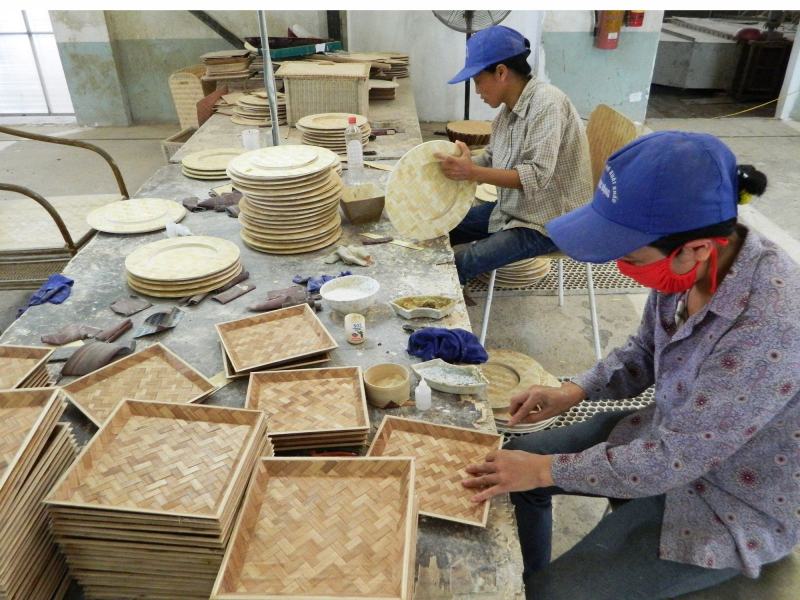
Bamboo handicrafts play a vital role in Vietnam’s traditional craft industry and have become increasingly important in global home decor and lifestyle markets. With abundant bamboo resources, skilled artisans, and long-established craftsmanship traditions, Vietnam has emerged as a leading source of bamboo-based handmade products for international buyers.
For importers, wholesalers, and sourcing professionals, bamboo products from Vietnam represent a balance between sustainability, craftsmanship, and commercial scalability. This article provides a comprehensive overview of bamboo as a material, its role in Vietnamese handicrafts, major production regions, manufacturing processes, and why bamboo products from Vietnam are trusted worldwide.
What Is Bamboo and Why It Is Ideal for Handicrafts
Bamboo is a fast-growing natural plant known for its strength, flexibility, and renewability. Unlike hardwood trees that take decades to mature, bamboo can be harvested within three to five years, making it one of the most sustainable raw materials available.
Key properties that make bamboo suitable for handicrafts include:
-
High tensile strength comparable to steel by weight
-
Lightweight yet durable structure
-
Natural flexibility for shaping and weaving
-
Resistance to cracking when properly treated
-
Low environmental impact and biodegradability
Because of these characteristics, bamboo is widely used in handmade home decor, furniture, storage, kitchenware, and lifestyle products.
Bamboo Resources and Growing Regions in Vietnam
Vietnam’s tropical climate and diverse geography create ideal conditions for bamboo cultivation. Bamboo grows naturally across many regions, ensuring a stable and locally sourced supply of raw material for craft villages.
Main Bamboo Growing Areas
-
Northern mountainous regions
-
Red River Delta provinces
-
Central highlands and rural lowlands
These areas provide different bamboo species suitable for various applications, from thick structural bamboo to thinner, flexible bamboo used in weaving and fine detailing.
These regions are home to many well-known bamboo craft villages in Vietnam, where traditional skills have been preserved for generations.
Local sourcing allows artisans to maintain control over material quality from harvesting to final production, which is especially important for export-grade products.
Traditional Bamboo Craft Villages in Vietnam
Bamboo craftsmanship in Vietnam is deeply rooted in rural communities where skills have been passed down through generations. Craft villages specialize in different bamboo techniques depending on local resources and cultural heritage.
Characteristics of Vietnamese Bamboo Craft Villages
-
Family-based workshops and cooperative production
-
Manual techniques combined with simple tools
-
Strong emphasis on material selection and preparation
-
Flexible production for custom designs and small batches
These villages are not only production centers but also custodians of traditional knowledge that defines the authenticity of Vietnamese bamboo products.
Bamboo Processing and Preparation for Handicrafts
Before bamboo can be transformed into finished products, it must undergo careful processing. Proper bamboo processing and treatment is essential to ensure durability, resistance to pests, and export-quality standards.
Typical Bamboo Processing Steps
-
Harvesting – Mature bamboo is selected at the right age to ensure strength
-
Cutting and Splitting – Bamboo is sized according to product requirements
-
Drying – Sun-drying or kiln-drying reduces moisture content
-
Treatment – Natural or chemical treatments prevent insects and mold
-
Sanding and Finishing – Ensures smooth surfaces and uniform texture
Well-processed bamboo results in products that maintain shape, resist cracking, and meet international quality expectations.
Handmade Bamboo Production vs Industrial Manufacturing
Vietnamese bamboo handicrafts are primarily handmade, which differentiates them from mass-produced bamboo items made by machines.
Advantages of Handmade Bamboo Products
-
Greater flexibility in size, shape, and design
-
Unique textures and natural variations
-
Easier customization for private label or OEM projects
-
Strong appeal to eco-conscious and design-focused buyers
While basic machinery may assist in cutting or sanding, core shaping, weaving, and assembly remain manual, preserving craftsmanship and authenticity.
Common Types of Bamboo Handicraft Products
Vietnamese artisans produce a wide range of bamboo products serving both decorative and functional purposes.
Popular Bamboo Product Categories
-
Bamboo baskets and storage solutions
-
Bamboo trays and serving items
-
Bamboo lampshades and lighting decor
-
Bamboo furniture and small home accents
-
Bamboo kitchenware and organizers
- Among the most popular products are bamboo baskets from Vietnam, widely used for storage, home decor, and retail displays.
These products are commonly used in residential interiors, hospitality spaces, retail displays, and eco-friendly lifestyle brands.
Why Global Buyers Choose Bamboo Products from Vietnam
Vietnam has become a preferred sourcing destination for bamboo handicrafts due to a combination of material availability, skilled labor, and export experience.
Key Reasons International Buyers Source from Vietnam
-
Abundant and sustainable bamboo resources
-
Skilled artisans with long-standing craft traditions
-
Competitive pricing compared to other sourcing countries
-
Capability to handle both small and medium-scale orders
-
Experience meeting international compliance and packaging standards
Vietnamese suppliers are especially attractive to buyers seeking eco-friendly products without sacrificing design quality or reliability.
Sustainability and Environmental Benefits of Bamboo Handicrafts
Bamboo aligns perfectly with global sustainability goals. Its rapid growth, low water consumption, and ability to regenerate without replanting make it one of the most environmentally responsible materials used in handicrafts.
Environmental benefits include:
-
Reduced deforestation pressure
-
Lower carbon footprint compared to hardwood
-
Biodegradable end-of-life disposal
-
Support for rural livelihoods and craft communities
For brands positioning themselves around sustainability and ethical sourcing, bamboo handicrafts provide a strong material story.
Quality Standards and Export Considerations
For export markets, bamboo products must meet specific quality and safety standards. Vietnamese manufacturers increasingly focus on consistent quality control throughout production.
Key Export Quality Factors
-
Moisture control to prevent mold during shipping
-
Smooth finishing and splinter-free surfaces
-
Uniform sizing and stable construction
-
Proper packaging for long-distance transport
Many workshops and exporters now align with international buyer requirements, making Vietnamese bamboo handicrafts suitable for long-term sourcing partnerships.
Conclusion: Bamboo Handicrafts as a Strategic Product Category
Bamboo handicrafts from Vietnam represent a unique combination of sustainability, traditional craftsmanship, and commercial viability. From raw material cultivation to skilled handmade production, bamboo products reflect both cultural heritage and modern market demands.
Vietnam has become a trusted sourcing destination for bamboo handicrafts for export thanks to its skilled workforce and scalable production capacity.
For global buyers seeking natural, eco-friendly, and versatile home decor solutions, Vietnamese bamboo handicrafts remain a reliable and attractive sourcing option. As sustainability continues to shape consumer preferences, bamboo is positioned as a core material for the future of handmade homeware.