
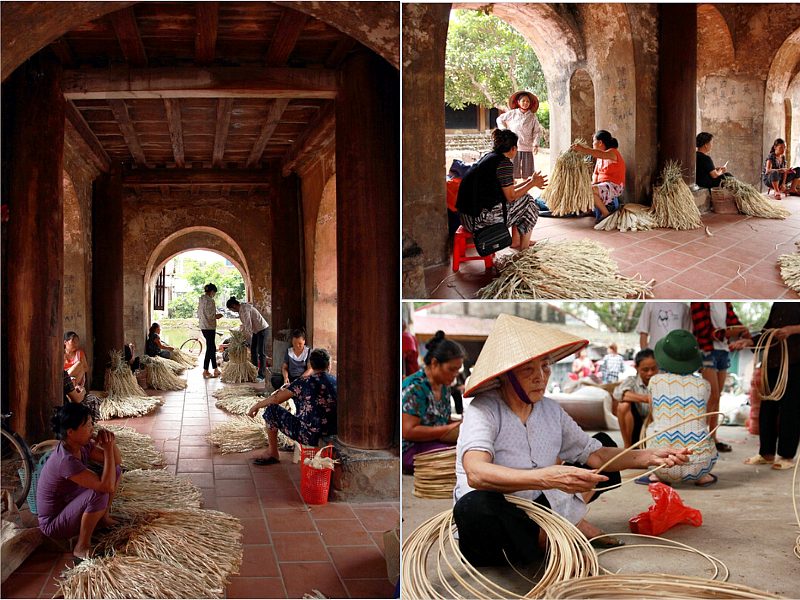
Bamboo craft villages play a vital role in Vietnam’s traditional handicraft industry. For generations, these villages have specialized in transforming locally sourced bamboo into functional and decorative products for domestic use and international export. Today, bamboo craft villages remain the backbone of Vietnam’s handmade bamboo supply chain, combining cultural heritage with modern production needs.
For international buyers, understanding where bamboo products are made—and how village-based production works—helps evaluate craftsmanship quality, production reliability, and long-term sourcing potential. To better understand how craft villages fit into the broader industry, buyers can explore bamboo handicrafts in Vietnam, including materials, processing, and export applications.
The Role of Bamboo Craft Villages in Vietnam
Unlike centralized factories, bamboo craft villages operate through networks of family workshops. Each household often specializes in specific stages of production such as bamboo splitting, weaving, assembly, or finishing.
This decentralized structure allows villages to:
-
Preserve traditional skills passed down through generations
-
Maintain flexibility in product design and customization
-
Scale production through coordinated community labor
-
Ensure consistent quality through shared techniques and standards Consistent quality across villages is supported by standardized bamboo processing and treatment methods used before weaving and finishing.
As a result, bamboo craft villages remain competitive in global markets despite increasing industrialization.
Major Bamboo Craft Villages in Vietnam
Phu Vinh Bamboo Village (Hanoi)
Phu Vinh is one of Vietnam’s most renowned bamboo weaving villages, known for fine weaving techniques and artistic bamboo products. Many of these villages specialize in products such as bamboo baskets from Vietnam, which are widely used for home decor and storage. Artisans here specialize in:
-
Decorative bamboo baskets
-
Handwoven trays and containers
-
Complex patterns requiring high skill levels
Phu Vinh products are commonly exported to Europe and Japan due to their refined craftsmanship. Many bamboo craft villages play a key role in supplying bamboo handicrafts for export, meeting international quality and compliance requirements.
Ngoc Dong Bamboo Village (Thanh Hoa)
Ngoc Dong is a major production center for functional bamboo items such as baskets, storage products, and household accessories. The village is valued for:
-
Stable production capacity
-
Consistent weaving quality
-
Experience with wholesale and OEM orders
Many export-oriented bamboo workshops are concentrated in this region.
Thach That Bamboo Villages (Hanoi outskirts)
This cluster of villages supplies bamboo components and semi-finished products for both domestic factories and export workshops. Artisans here focus on:
-
Bamboo splitting and shaping
-
Pre-treatment and drying
-
Base weaving structures
These villages play a key supporting role in Vietnam’s bamboo supply ecosystem.
Traditional Production Methods in Bamboo Villages
Bamboo production in craft villages remains largely manual, with limited use of machinery to support efficiency. Common processes include:
-
Harvesting mature bamboo culms
-
Natural drying to reduce moisture
-
Manual splitting and sizing
-
Hand weaving or assembly
-
Surface treatment and finishing
This approach ensures that bamboo retains its natural texture, strength, and aesthetic appeal—qualities highly valued by global buyers.
Handmade Village Production vs Factory Manufacturing
Compared to factory production, bamboo craft villages offer several advantages:
Advantages of Village-Based Production
-
Greater design flexibility
-
Easier customization for private label buyers
-
Authentic handmade appearance
-
Lower minimum order quantities
Limitations to Consider
-
Longer lead times for large orders
-
Reliance on seasonal labor availability
-
Variations between workshops if not well-coordinated
Experienced exporters often combine village craftsmanship with centralized quality control to meet international standards.
Why International Buyers Source from Bamboo Craft Villages
Buyers from Europe, North America, and Asia increasingly prefer village-made bamboo products because they align with:
-
Sustainable sourcing principles
-
Ethical and community-based production
-
Natural and handmade design trends
-
Demand for eco-friendly home decor
Vietnamese bamboo villages also offer long-term partnerships, as many have decades of experience working with export markets.
Quality Control and Export Readiness
To meet international requirements, many bamboo craft villages now collaborate with exporters who oversee:
-
Raw material selection
-
Moisture and pest treatment
-
Product consistency across workshops
-
Packaging and compliance standards
This hybrid model allows buyers to benefit from traditional craftsmanship without compromising quality or reliability.
Conclusion
Bamboo craft villages in Vietnam remain essential to the country’s handmade bamboo industry. By combining traditional skills, community-based production, and export-oriented practices, these villages continue to supply high-quality bamboo products to global markets.
For buyers seeking authentic, sustainable, and handcrafted bamboo items, sourcing from Vietnam’s bamboo craft villages offers both cultural value and commercial reliability.