
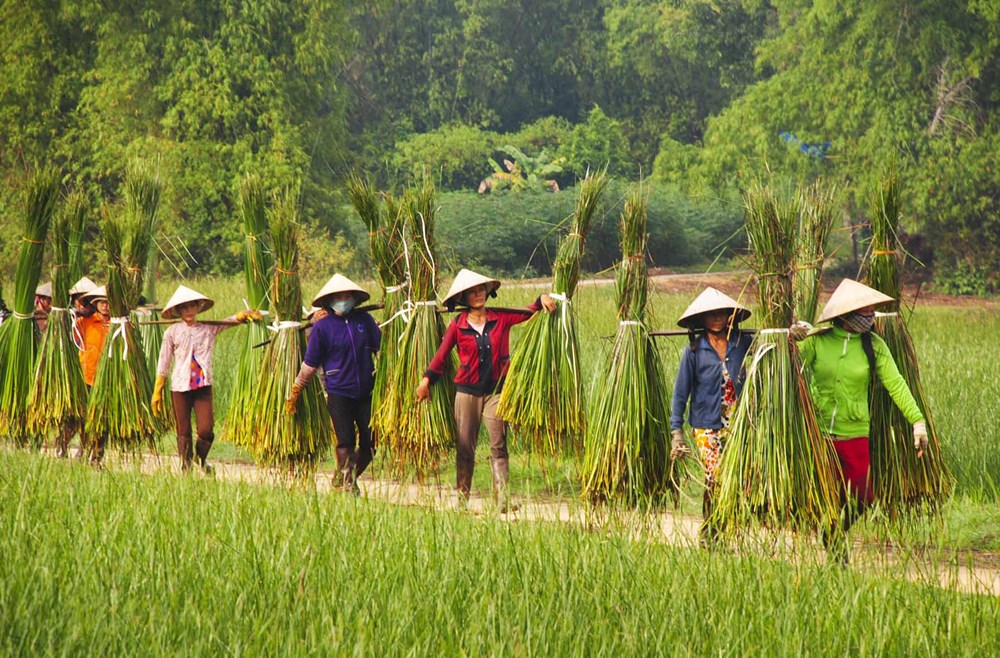
Seagrass handicrafts have become an increasingly popular product category in global home decor and lifestyle markets. Valued for their natural appearance, sustainability, and handmade quality, seagrass products from Vietnam are widely sourced by international buyers for retail, hospitality, and wholesale distribution.
For importers and sourcing managers, understanding export standards, quality requirements, and supplier capabilities is essential when selecting reliable partners for long-term cooperation. This article outlines key considerations when sourcing seagrass handicrafts for export, with a focus on Vietnamese production.
Global Demand for Export-Ready Seagrass Handicrafts
International demand for seagrass handicrafts continues to grow as consumers shift toward eco-friendly and natural materials. Seagrass products are commonly used in: Vietnamese seagrass baskets for home decor and storage
-
Home decor collections
-
Storage and organization solutions
-
Hospitality and hotel interiors
-
Sustainable lifestyle brands
Buyers in Europe, North America, and Asia-Pacific markets increasingly favor handmade seagrass items due to their renewable raw materials, artisanal value, and adaptability to modern design trends.
Vietnam has emerged as a key sourcing destination thanks to its abundant seagrass resources, skilled artisans, and long-standing craft traditions. For an overview of the material, regions, and applications, buyers can explore seagrass handicrafts in Vietnam to better understand the broader supply landscape.
Quality Standards for Export Seagrass Products
To meet international market expectations, seagrass handicrafts must adhere to consistent quality standards throughout production. Key quality factors include:
Fiber Quality and Preparation
-
Uniform fiber thickness
-
Proper drying to control moisture
-
Clean, impurity-free raw material
Well-prepared fibers ensure durability, flexibility, and smooth weaving. The preparation stage plays a crucial role in the final product’s performance, as outlined in seagrass material and processing in Vietnam.
Weaving Strength and Craftsmanship
-
Tight, consistent weaving patterns
-
Reinforced rims and edges
-
Balanced shape and structure
Traditional hand-weaving techniques directly impact product strength and longevity. Buyers seeking durable handmade products often evaluate weaving quality as a primary selection criterion.
Finishing and Durability
-
Smooth surface finishing
-
Secure handles or attachments
-
Resistance to deformation during use
Proper finishing ensures that seagrass products maintain their appearance during transport, storage, and daily use.
Common Buyer Requirements for Export Orders
Beyond product quality, international buyers typically evaluate suppliers based on operational and commercial criteria, including:
Minimum Order Quantity (MOQ)
Suppliers should offer flexible MOQs to support:
-
Trial orders
-
Seasonal collections
-
Mixed product assortments
Packaging and Labeling
Export-ready seagrass products often require:
-
Protective inner packaging
-
Export-grade cartons
-
Custom labeling or private branding
Packaging must protect the product while aligning with sustainability expectations.
Lead Time and Production Capacity
Reliable suppliers are expected to:
-
Maintain stable lead times
-
Scale production for wholesale orders
-
Handle repeat orders consistently
Production planning is especially important for buyers working with retail launch schedules or hospitality projects.
Why Vietnam Is a Reliable Export Source
Vietnam’s position as a leading exporter of seagrass handicrafts is supported by several structural advantages:
-
Abundant natural seagrass resources
-
Concentrated craft villages with skilled labor
-
Integrated sourcing and production within the same regions
Many international buyers choose Vietnam because of its ability to combine traditional craftsmanship with export-oriented production practices. A deeper look into Vietnam’s craft ecosystem can be found in the main seagrass handicrafts in Vietnam pillar resource.
How Buyers Evaluate Seagrass Suppliers
When selecting suppliers, international buyers often assess:
-
Raw material sourcing and processing control
-
Consistency of weaving techniques
-
Quality inspection procedures
-
Communication and documentation
Suppliers who can clearly explain their production workflow and demonstrate quality management practices are more likely to secure long-term partnerships. Understanding traditional seagrass weaving techniques in Vietnam helps buyers better evaluate craftsmanship quality during the sourcing process.
Conclusion
Seagrass handicrafts for export require more than attractive design—they demand consistent material quality, skilled craftsmanship, and reliable production capabilities. Vietnam’s seagrass industry continues to attract global buyers thanks to its strong supply chain, experienced artisans, and export-ready manufacturing practices.
For importers, wholesalers, and sourcing professionals, understanding quality standards and buyer requirements is key to building successful, long-term partnerships in the seagrass handicraft sector.