
When sourcing trays for cafes, hotels, or retail stores, wholesale buyers often compare rattan and bamboo.
Both materials are natural, sustainable, and widely used in handmade home decor.
This article compares rattan and bamboo trays to help buyers choose the right option for their business.
What Are Rattan Trays
Rattan trays are made from natural rattan vines that are woven by hand.
They are flexible, lightweight, and suitable for a wide range of serving and decorative uses.
Rattan trays are commonly used in cafes, hotels, and gift shops.
What Are Bamboo Trays
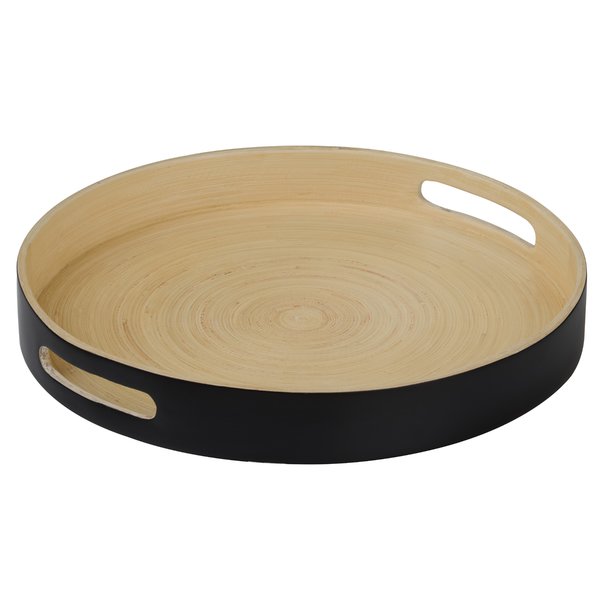
Bamboo trays are made from bamboo strips or panels.
They are known for their strength and clean, modern appearance.
Bamboo trays are often used for food serving and functional household purposes.
Rattan vs Bamboo Key Differences
Rattan trays offer a warm, handmade look that suits natural and rustic interiors.
Bamboo trays tend to have a smoother and more structured appearance.
Bamboo trays are generally more rigid and resistant to pressure.
Rattan trays are flexible and lightweight, making them easy to handle in hospitality settings.
Which Tray Is Better for Wholesale Buyers
For buyers focused on natural aesthetics and handmade value, rattan trays are often the preferred choice.
Bamboo trays may be more suitable for buyers looking for a clean and minimal design.
The best option depends on target market, usage, and brand positioning.
Conclusion
Both rattan and bamboo trays offer advantages for wholesale buyers.
Understanding material differences helps businesses select products that fit their customers and brand.
Working with experienced manufacturers ensures consistent quality for bulk orders.